
LED Display Cleaning Methods: Maintenance Guide
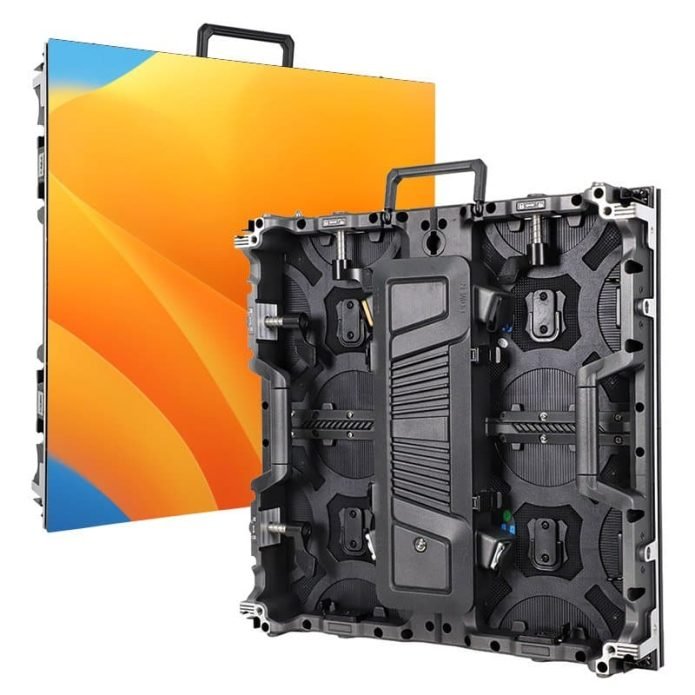
Article Summary
Plan LED display cleaning with surface type, approved tools, power isolation, access, frequency, contamination response, inspections, records, and supplier guidance.
Dust, fingerprints, airborne residue, moisture, and event effects can reduce presentation quality or complicate service, but aggressive cleaning can damage LEDs, coatings, connectors, masks, or seals. The maintenance plan should match the product surface and site contamination.
This guide helps facilities, operators, event crews, service teams, and buyers make a defensible decision about safe cleaning scope, method, frequency, and ownership. It connects the operating brief to a practical rental LED display screen scope, supplier response, and acceptance record instead of relying on a short specification list.
Define the Operating Brief for an indoor or outdoor LED display
Describe display type, orientation, environment, audience access, contaminants, cleaning windows, work-at-height conditions, isolation method, available tools, responsible team, and supplier restrictions. Record the normal operating hours, responsible team, content sources, audience position, maintenance window, and any construction or IT dependencies. Give every bidder the same brief so commercial differences are not confused with missing scope.
A useful brief also separates confirmed requirements from assumptions that still need a site survey or design review. The content-workflow checklist provides a starting structure for documenting those inputs before the quotation is treated as final.
Surface and contamination
Identify LED face, mask, protective layer, dust, oils, salts, spills, and residue The project team should translate this condition into a measurable design input and identify who owns any remaining site assumption For an indoor or outdoor LED display, this decision should be reviewed against the real content, viewing conditions, duty cycle, and access plan rather than a demonstration loop or a generic product sheet.
In the RFQ, ask the supplier to respond to the surface and contamination conditions with the proposed configuration, limits, interface responsibilities, and any optional work. The response should include a project-specific drawing or schedule, stated assumptions, configuration details, and an acceptance method for surface and contamination. Record exclusions, tolerances, and work supplied by others so the project team can compare complete systems instead of isolated component claims.
Approved tools and fluids
List brushes, air, cloths, liquids, applicators, and prohibited materials The project team should translate this condition into a measurable design input and identify who owns any remaining site assumption For an indoor or outdoor LED display, this decision should be reviewed against the real content, viewing conditions, duty cycle, and access plan rather than a demonstration loop or a generic product sheet.
In the RFQ, ask the supplier to respond to the approved tools and fluids conditions with the proposed configuration, limits, interface responsibilities, and any optional work. The response should include a project-specific drawing or schedule, stated assumptions, configuration details, and an acceptance method for approved tools and fluids. Record exclusions, tolerances, and work supplied by others so the project team can compare complete systems instead of isolated component claims.
Isolation and access
Define shutdown, lockout, cooling, rigging, platforms, and protected work zones The project team should translate this condition into a measurable design input and identify who owns any remaining site assumption For an indoor or outdoor LED display, this decision should be reviewed against the real content, viewing conditions, duty cycle, and access plan rather than a demonstration loop or a generic product sheet.
In the RFQ, ask the supplier to respond to the isolation and access conditions with the proposed configuration, limits, interface responsibilities, and any optional work. The response should include a project-specific drawing or schedule, stated assumptions, configuration details, and an acceptance method for isolation and access. Record exclusions, tolerances, and work supplied by others so the project team can compare complete systems instead of isolated component claims.
LED Display Cleaning RFQ Decision Matrix
| Decision area | Buyer input | Evidence to request |
|---|---|---|
| Surface and contamination | Record identify LED face, mask, protective layer, dust, oils, salts, spills, and residue | Supplier response, project drawing, and acceptance evidence for surface and contamination |
| Approved tools and fluids | Record list brushes, air, cloths, liquids, applicators, and prohibited materials | Supplier response, project drawing, and acceptance evidence for approved tools and fluids |
| Isolation and access | Record define shutdown, lockout, cooling, rigging, platforms, and protected work zones | Supplier response, project drawing, and acceptance evidence for isolation and access |
| Cleaning sequence | Record set dry inspection, removal direction, pressure limits, drying, and staged testing | Supplier response, project drawing, and acceptance evidence for cleaning sequence |
| Frequency and triggers | Record use site condition, events, image inspection, airflow, and contamination incidents | Supplier response, project drawing, and acceptance evidence for frequency and triggers |
Cleaning sequence
Set dry inspection, removal direction, pressure limits, drying, and staged testing The project team should translate this condition into a measurable design input and identify who owns any remaining site assumption For an indoor or outdoor LED display, this decision should be reviewed against the real content, viewing conditions, duty cycle, and access plan rather than a demonstration loop or a generic product sheet.
In the RFQ, ask the supplier to respond to the cleaning sequence conditions with the proposed configuration, limits, interface responsibilities, and any optional work. The response should include a project-specific drawing or schedule, stated assumptions, configuration details, and an acceptance method for cleaning sequence. Record exclusions, tolerances, and work supplied by others so the project team can compare complete systems instead of isolated component claims.
Frequency and triggers
Use site condition, events, image inspection, airflow, and contamination incidents The project team should translate this condition into a measurable design input and identify who owns any remaining site assumption For an indoor or outdoor LED display, this decision should be reviewed against the real content, viewing conditions, duty cycle, and access plan rather than a demonstration loop or a generic product sheet.
In the RFQ, ask the supplier to respond to the frequency and triggers conditions with the proposed configuration, limits, interface responsibilities, and any optional work. The response should include a project-specific drawing or schedule, stated assumptions, configuration details, and an acceptance method for frequency and triggers. Record exclusions, tolerances, and work supplied by others so the project team can compare complete systems instead of isolated component claims.
Records and escalation
Log method, area, condition, damage, images, corrective action, and supplier advice The project team should translate this condition into a measurable design input and identify who owns any remaining site assumption For an indoor or outdoor LED display, this decision should be reviewed against the real content, viewing conditions, duty cycle, and access plan rather than a demonstration loop or a generic product sheet.
In the RFQ, ask the supplier to respond to the records and escalation conditions with the proposed configuration, limits, interface responsibilities, and any optional work. The response should include a project-specific drawing or schedule, stated assumptions, configuration details, and an acceptance method for records and escalation. Record exclusions, tolerances, and work supplied by others so the project team can compare complete systems instead of isolated component claims.
Connect Installation, Content, and Service
Display hardware is only one part of the operating result. Coordinate source devices, processing, signal routes, power distribution, structure, thermal conditions, content approval, monitoring, and service access. The remote-monitoring guide and maintenance-contract checklist help define the interfaces that can otherwise fall between the display vendor, integrator, contractor, IT team, and buyer.
Name an owner for every interface and agree when that owner must provide drawings, equipment, settings, access, or approval. If an assumption changes after manufacture, use a written change record that explains cost, schedule, performance, and acceptance impact before the team proceeds.
Plan Acceptance Evidence Before Shipment
Acceptance should test the purchased configuration with representative content and the intended control workflow. Define the samples, viewing positions, operating presets, fault scenarios, documents, and people required for the review. Where practical, close mapping, image, control, and documentation issues before the display leaves the supplier.
Repeat the relevant checks after delivery and installation because transport, field cabling, structure, and site power introduce new variables. Use the preventive-maintenance checklist to connect factory evidence with commissioning and final handover rather than treating each stage as a separate promise.
Buyer Checklist
- Confirm the surface and contamination requirement and responsible owner.
- Confirm the approved tools and fluids requirement and responsible owner.
- Confirm the isolation and access requirement and responsible owner.
- Confirm the cleaning sequence requirement and responsible owner.
- Confirm the frequency and triggers requirement and responsible owner.
- Confirm the records and escalation requirement and responsible owner.
- Use representative content and the intended operating workflow during acceptance.
- Record exclusions, spares, training, documents, and post-handover support.
The strongest proposal will make assumptions visible, assign interface ownership, and show how the system will be tested and supported. For a project-specific review, contact SXLED with the site, screen dimensions, viewing positions, content examples, operating schedule, access constraints, and target installation date.
How This Guide Was Prepared
This guide was prepared by the Shangxian Display Editorial Team using available product specifications, factory inspection workflows, recurring buyer questions, and practical project-selection requirements.
Final product specifications, certifications, warranty terms, spare-parts quantities, lead times, and installation requirements should be confirmed for the selected model in the project quotation.