
Rental LED Display vs Fixed LED Display: Which One Should You Choose?
Article Summary
Not sure whether your project needs a rental LED display or a fixed LED display? Here is a simple, practical guide to help you compare setup, budget, maintenance, and real-world use cases.
Choosing between a rental LED display and a fixed LED display sounds easy at first. One is for events, one is for permanent installation, right? That is mostly true, but in real projects the decision can get a little more nuanced.
If you are planning a stage show, a trade fair booth, a storefront screen, a shopping mall display, or an outdoor billboard, the wrong screen type can make installation slower, maintenance harder, and the budget less friendly than expected. So let us walk through it in plain English.
Quick answer: what is the real difference?
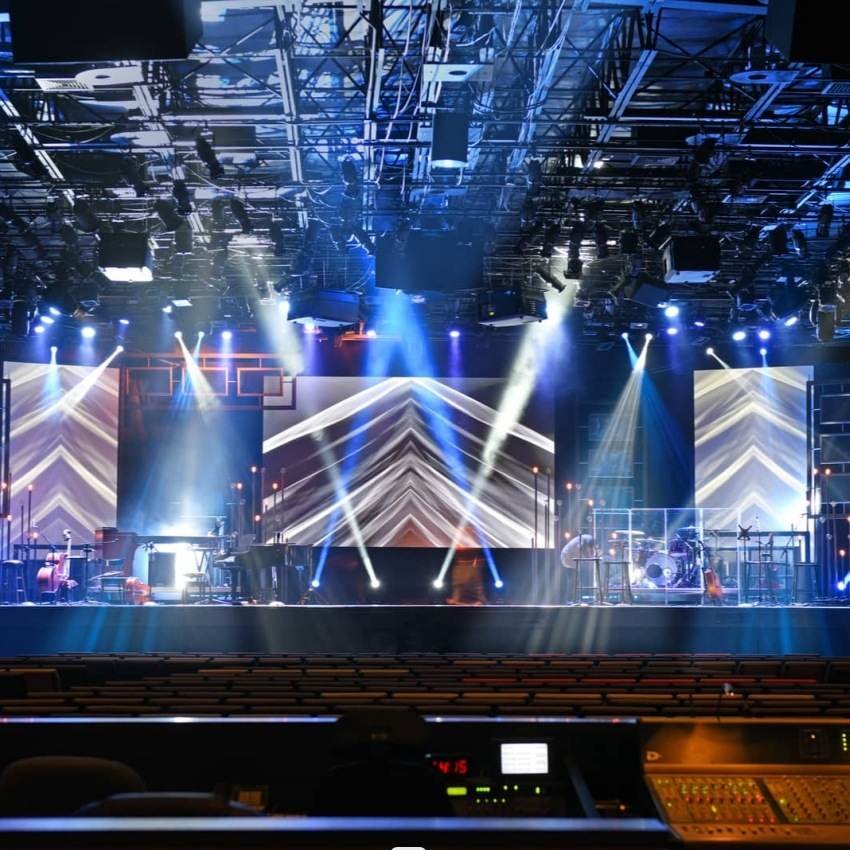
A rental LED display is designed to be installed, removed, packed, moved, and installed again. It normally uses lightweight cabinets, quick locks, handles, corner protection, and service-friendly structures. Think concerts, exhibitions, launches, conferences, churches, festivals, and temporary campaigns.
A fixed LED display is made for long-term installation. It is usually mounted on a wall, steel structure, building facade, retail space, control room, meeting room, or outdoor advertising position. The focus is stable operation, clean appearance, easier long-term maintenance, and a structure that fits the site.
Choose rental LED if the screen needs to move
If your screen will travel from one event to another, rental is the natural choice. Rental LED cabinets are usually easier to carry and faster to connect. Many projects also need curved setups, hanging structures, floor stacking, or quick changes during a tight schedule. A fixed cabinet can technically be used sometimes, but it will usually feel slow and heavy in this kind of work.
Rental LED display is a good fit for:
- Concerts and live shows
- Trade shows and exhibition booths
- Corporate events and product launches
- Church stage screens and conference screens
- Temporary outdoor advertising campaigns
Choose fixed LED if the screen will stay in one place
If the display will be installed for months or years, fixed installation is usually more sensible. You can plan the cabinet size, maintenance direction, wiring, control room, ventilation, waterproof protection, and front or rear service access around the building or structure.
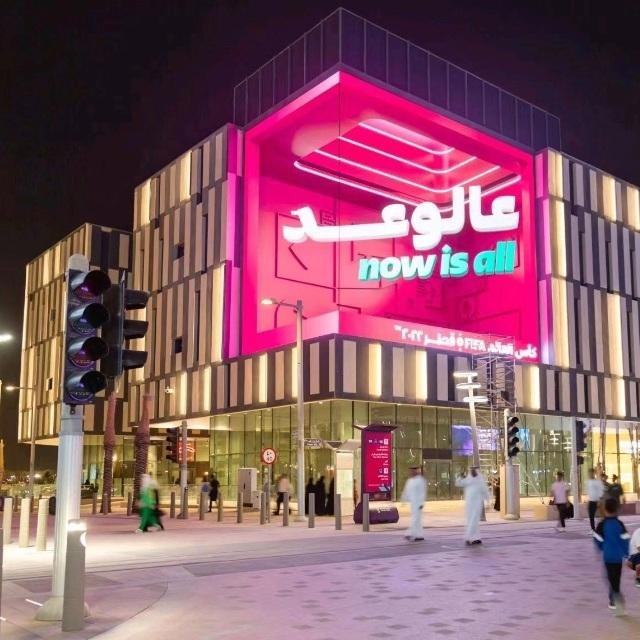
Fixed LED display is a good fit for:
- Shopping malls and retail stores
- Outdoor billboards and building facade screens
- Meeting rooms and showrooms
- Schools, control rooms, and information centers
- Permanent indoor advertising walls
Budget: do not compare only the screen price
This is where many buyers get surprised. A rental LED display may cost more per cabinet because it needs stronger mechanical design, quick locks, flight cases, and repeated handling protection. But for event companies, that cost makes sense because the same screen can be used again and again.
A fixed LED display may look cheaper at the cabinet level, but you still need to count the structure, installation labor, maintenance access, waterproof design if outdoor, power distribution, control system, and long-term service plan. The best choice is not always the one with the lowest cabinet price. It is the one with the lowest project risk.
Installation speed matters more for events
For a concert or exhibition, every hour on site matters. Rental screens are made for quick assembly. Good rental cabinets have alignment pins, fast locks, magnetic modules, protective edges, and clear cable paths. These details save time when your team is working under pressure.
For a fixed screen, installation speed is still important, but the bigger priority is long-term reliability. You can take more time to prepare the steel structure, check the wall, test ventilation, plan service space, and make sure the screen can be safely maintained later.
Outdoor projects need extra attention
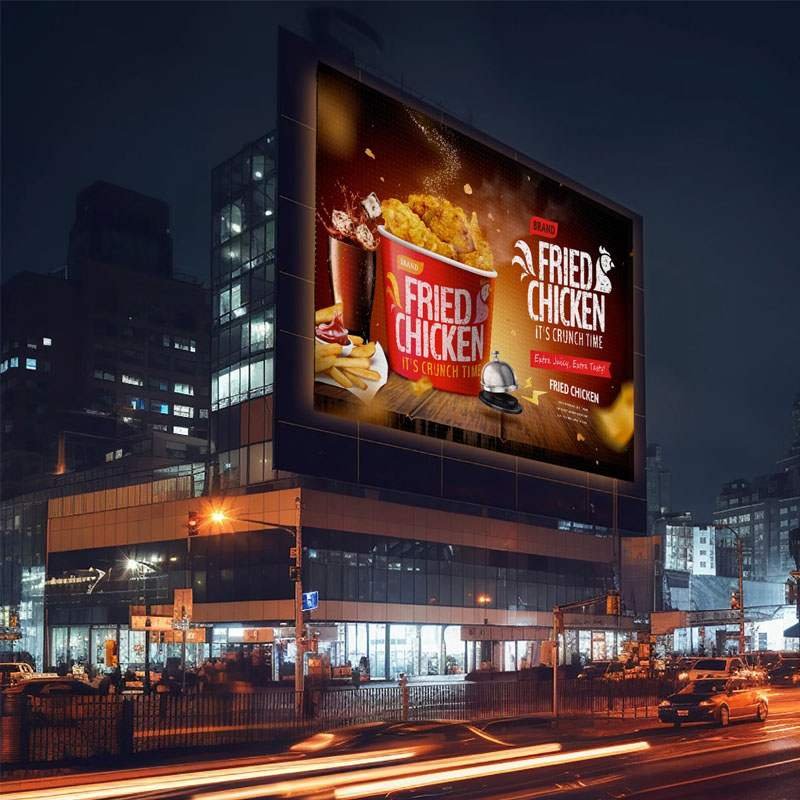
If the screen is outdoor, please do not stop at pixel pitch. You also need to check brightness, waterproof rating, cabinet material, heat dissipation, wind load, power supply protection, and service access. A beautiful image on day one is nice, but the screen also needs to survive sun, rain, dust, heat, and daily operation.
For outdoor rental, think about fast installation and safe temporary structures. For outdoor fixed installation, think about the steel frame, waterproof sealing, drainage, lightning protection, cable routing, and whether technicians can reach the modules safely.
Pixel pitch: choose by viewing distance, not by ego
Everyone likes a finer pixel pitch, but you do not always need it. If viewers stand far away, a larger pitch can still look great and save budget. If people are very close to the screen, such as in a showroom or conference space, then a finer pitch becomes more important.
A simple way to think about it: closer viewing needs finer pixel pitch; farther viewing can use larger pixel pitch. Before buying, tell your supplier the screen size, viewing distance, installation environment, and content type. That is much more useful than only asking, “What is your best price for P2.5?”
Maintenance: who will fix it later?
This question is not glamorous, but it is very important. For fixed LED displays, decide whether you need front maintenance or rear maintenance. Some walls do not leave space behind the screen, so front service modules may be the better choice.
For rental LED displays, maintenance is about speed. Event teams need spare modules, spare receiving cards, spare power supplies, and easy replacement during tight schedules. A small spare parts plan can save a live event from a very awkward moment.
A simple buying checklist
- Will the screen move often or stay in one place?
- Indoor or outdoor?
- What is the closest viewing distance?
- How often will the screen be installed and removed?
- Do you need hanging, stacking, wall mounting, or steel structure?
- Who will handle maintenance?
- Do you need spare parts, flight cases, or installation drawings?
- What content will play on the screen: video, ads, text, live camera, or mixed media?
Final thought
If your screen is part of an event business, choose rental LED display. If it is part of a permanent space or advertising position, choose fixed LED display. If your project sits somewhere in the middle, talk through the real use case first: how often it moves, who installs it, where it works, and how it will be maintained.
Need help choosing the right LED display for your project? Browse our LED display products or contact us with your screen size, location, viewing distance, and installation plan. We can suggest a practical option before you spend money on the wrong type of screen.
How This Guide Was Prepared
This guide was prepared by the Shangxian Display Editorial Team using available product specifications, factory inspection workflows, recurring buyer questions, and practical project-selection requirements.
Final product specifications, certifications, warranty terms, spare-parts quantities, lead times, and installation requirements should be confirmed for the selected model in the project quotation.