
How to Choose an Outdoor LED Display Without Getting Lost in Specs
Article Summary
Choosing an outdoor LED display? Here is a plain-English guide to brightness, pixel pitch, waterproof rating, installation, service, and the questions to ask before you buy.
Choosing an outdoor LED display can feel a bit like ordering coffee from a menu with 40 options. Pixel pitch, brightness, refresh rate, cabinet size, waterproof rating, front service, rear service… it is a lot. The good news is that you do not need to become an engineer to make a smart choice. You just need to know which specs actually affect your project.
In this guide, we will keep it practical. No fancy talk. Just the key things you should check before choosing an outdoor LED display for advertising, retail, events, public information, or a custom commercial project.
1. Start with the real job of the screen
Before talking about pixel pitch or brightness, ask a simpler question: what does this screen need to do every day?
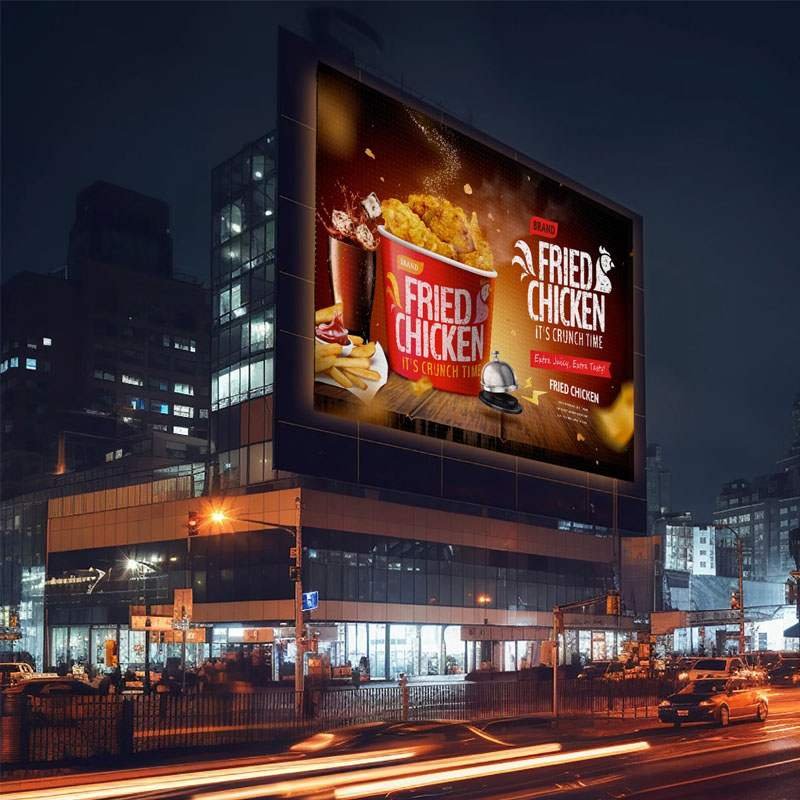
A roadside billboard has a different job from a shopping mall entrance screen. A stadium perimeter screen has a different job from a storefront window display. If the goal is long-distance advertising, you need strong brightness and stable outdoor performance. If people will stand closer to the screen, image detail becomes more important.
Here are a few quick examples:
- Roadside billboard: high brightness, weather resistance, easy maintenance.
- Retail facade: good color, clean cabinet design, strong visual impact.
- Event outdoor screen: fast installation, reliable structure, good refresh rate.
- Public information display: stable operation, readable text, simple service access.
If you are not sure which type fits your project, start from the application page, such as billboard and digital signage solutions, then narrow it down from there.
2. Pixel pitch is about viewing distance, not bragging rights
Pixel pitch means the distance between LED pixels. A smaller number usually means a sharper image, but it also usually costs more. The best pixel pitch is not always the smallest one. It is the one that matches how far people will stand from the screen.
Simple rule of thumb: if people view the screen from far away, you can use a larger pixel pitch. If people view it up close, choose a smaller pitch.
For example, a screen on a building facing traffic does not need the same pitch as an indoor meeting room display. Spending extra money on a super-fine pitch outdoor screen may not improve the result if the audience is 30 meters away.
3. Brightness matters more than many buyers expect
Outdoor screens fight sunlight. That is why brightness is one of the most important specs. If brightness is too low, the content can look washed out during the day. If it is too high at night without proper adjustment, it can be uncomfortable to view.
A good outdoor LED display should support enough brightness for daylight use and brightness control for different times of day. This helps protect viewing comfort and can also reduce unnecessary power consumption.
4. Check waterproof rating, heat control, and cabinet structure
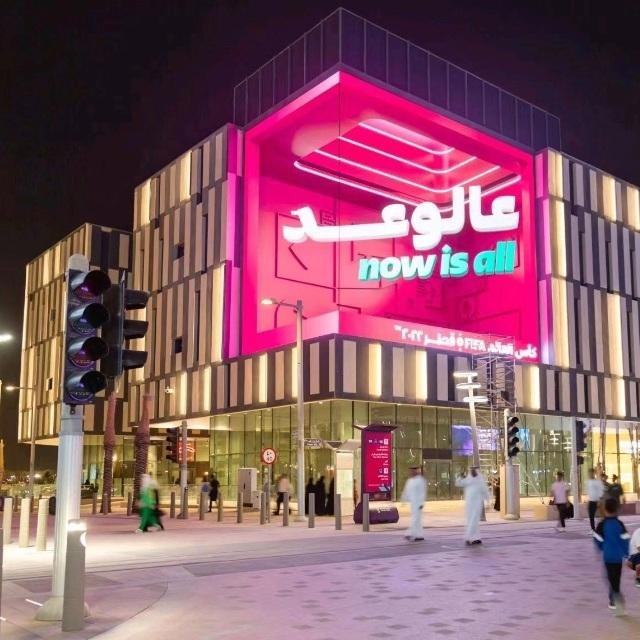
Outdoor LED displays deal with rain, dust, sun, heat, wind, and sometimes salt air. So the screen cannot just look good in a product photo. It needs to survive the installation environment.
Ask about:
- Waterproof and dustproof rating: important for rain and outdoor dust.
- Heat dissipation: important for long operating hours and hot climates.
- Cabinet material: affects weight, strength, and service life.
- Front or rear maintenance: affects how easy it is to repair modules and power supplies.
- Installation structure: affects safety, wind load, and long-term stability.
If your screen will be installed high on a building, maintenance access becomes a big deal. A product that is easy to service can save a lot of trouble later.
5. Think about content before choosing the screen
This part is easy to forget. A screen for simple text and logos does not have the same requirements as a screen showing fast video, sports content, or high-detail product ads.
If your content includes video, choose a product with good refresh rate and stable color performance. If your content is mostly text, make sure the pixel pitch and brightness make it readable from the real viewing distance.
Also, think about the aspect ratio. A very wide screen, a tall vertical screen, and a square billboard all need different content planning. Screen size and content format should be discussed together.
6. Do not ignore control system and power planning
The LED screen is only one part of the project. You also need a control system, power distribution, signal cables, installation structure, and sometimes remote content management.
Before ordering, ask how the screen will be controlled. Will content be updated from a computer, media player, cloud system, or local controller? Will the screen need scheduled brightness adjustment? Will the system be easy for your team to operate?
These questions are not glamorous, but they decide whether the project feels smooth after installation.
7. Ask for testing, packaging, and after-sales support
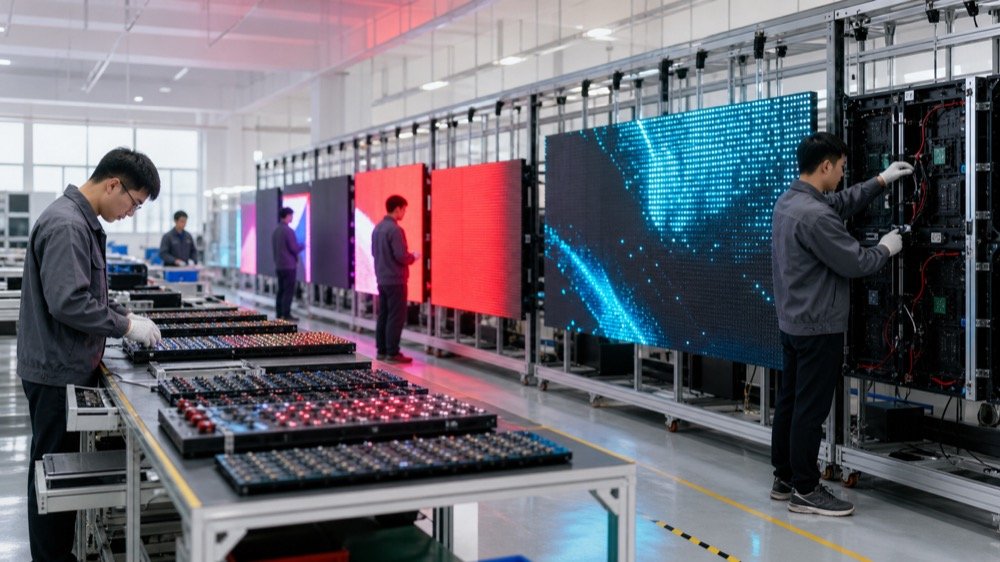
A reliable supplier should talk about more than the product model. They should also talk about quality inspection, aging tests, spare parts, packaging, and support after delivery.
For overseas projects, this is especially important. You do not want to discover missing parts or unclear wiring instructions after the goods arrive. A little preparation before shipment can prevent a lot of stress later.
Quick checklist before you request a quote
If you want a faster and more accurate quote, prepare these details:
- Screen width and height
- Indoor or outdoor installation
- Viewing distance
- Installation city and climate
- Installation method: wall, pole, roof, ground, or structure
- Content type: text, image, video, sports, advertising, or information display
- Target delivery time
- Any local voltage or certification requirements
Once you have these points, a supplier can recommend a much more suitable product instead of guessing.
Final thought: choose the screen that fits the project, not just the spec sheet
The best outdoor LED display is not always the most expensive one. It is the one that matches your viewing distance, brightness needs, installation environment, service access, and content plan.
If you are comparing products now, you can start with our LED and LCD product catalog or send your project details through the contact page. Share the screen size, installation location, and use case, and we will help you narrow down practical options.
FAQ
What pixel pitch should I choose for an outdoor LED display?
It depends on viewing distance. For long-distance viewing, a larger pixel pitch can work well. For closer viewing, choose a smaller pitch for sharper detail.
How bright should an outdoor LED screen be?
Outdoor screens need enough brightness for daylight visibility. The exact level depends on sunlight exposure, viewing angle, and operating time.
Is front maintenance better than rear maintenance?
Neither is always better. Front maintenance is useful when there is no service space behind the screen. Rear maintenance can work well when there is enough access behind the installation.
Can outdoor LED displays be customized?
Yes. Size, cabinet structure, pixel pitch, brightness, control system, and installation method can usually be adjusted based on project requirements.
How This Guide Was Prepared
This guide was prepared by the Shangxian Display Editorial Team using available product specifications, factory inspection workflows, recurring buyer questions, and practical project-selection requirements.
Final product specifications, certifications, warranty terms, spare-parts quantities, lead times, and installation requirements should be confirmed for the selected model in the project quotation.